People often assume I love systems because I love organisation.
People often assume I love systems because I love organisation. And, to be fair, I am that person.
Everything has a list. If there are logistics to sort, I'll sort them. Train tickets and hotel rooms are usually booked approximately three seconds after we've agreed where we're going.
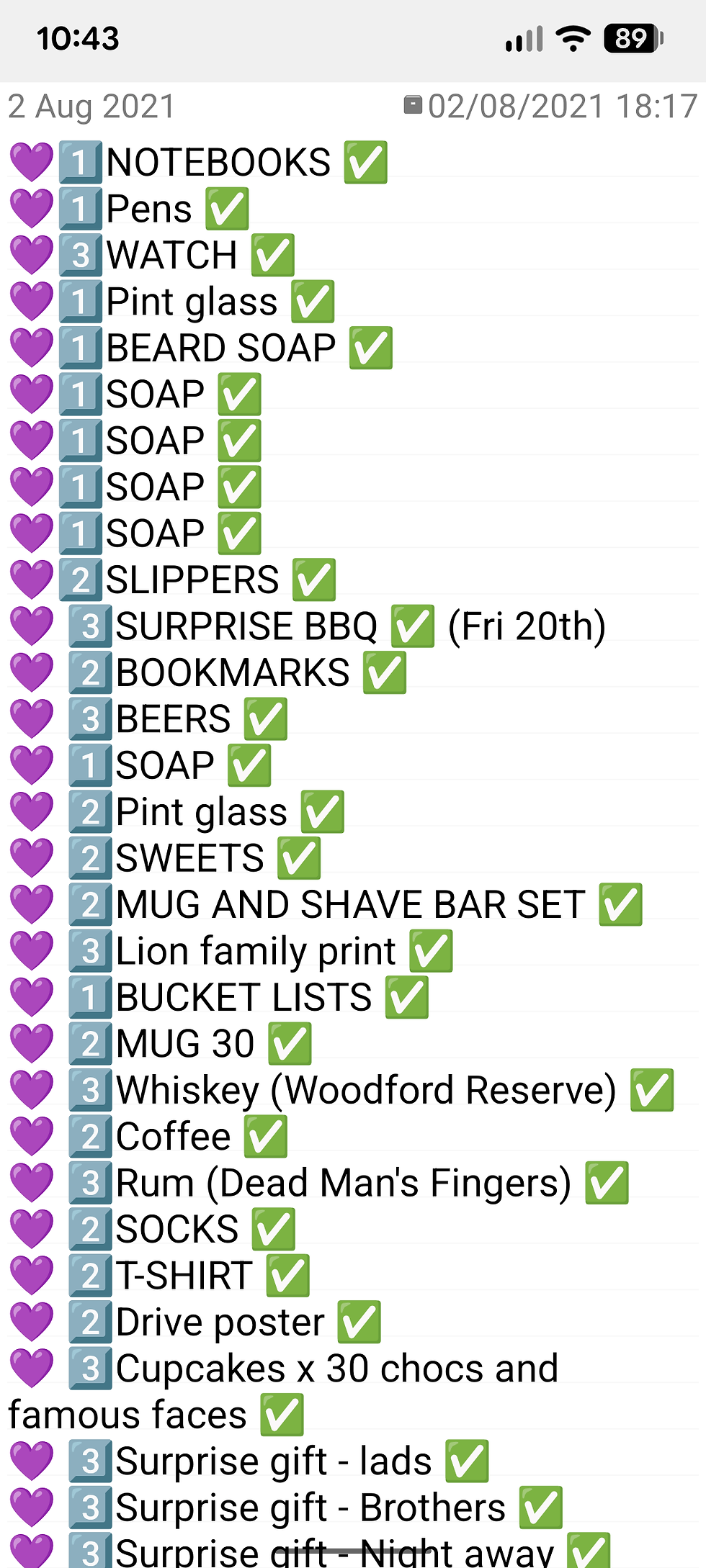
Christmas presents have a list. Obviously.
But not just a list of what I've bought. Who it's for. Whether it's a tree present or a stocking present. Whether it's been wrapped. You get the idea.
For a long time, I think I assumed this was just because I'm an organised person. But I'm not so sure it is. I think I'm organised because I'm scared of forgetting. If something needs doing, my brain wants to hold onto it. An idea, a date, something I've promised someone I'll do - until I know it exists somewhere outside my head, my brain doesn't really want to let it go.
And ... Even when I have put it somewhere safe, I don't completely let go; I'll reopen the list and read through it again. And again. Don't get me wrong, I do think about it less. And that's the difference. The list/system/place I've put the thing is carrying some of it for me.
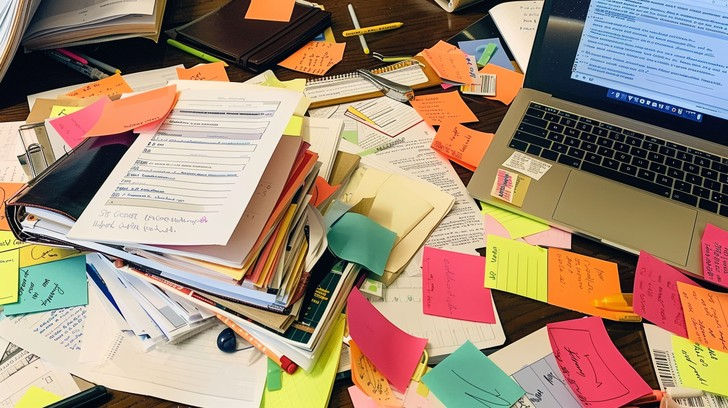
And perhaps that's why I'm so fascinated by what happens when systems don't do that. Because a broken system rarely affects just one person. Someone is remembering something the system should remember, someone else is checking something manually, another person has created a spreadsheet to compensate for something the database can't do whilst someone else has found their own workaround.
And before long, you've got countless people carrying around an enormous amount of information and responsibility in their heads simply because the systems around them aren't carrying it for them. And this is the bit I find almost impossible to ignore. Give me a broken process and I have an almost ridiculous urge to fix it. I'll use the workaround if I have to, but while I'm using it, part of my brain will be quietly pulling apart the reason the workaround needs to exist in the first place.
What isn't working? Who is it affecting? What are they having to do because of it? What would make this easier?
Because when I look at a system, I don't really think about what the system can do, I tend to think about what the people need, and that's probably the thing that surprises people most about the way my brain works; I don't think in code and I don't really think in processes. I'm never looking for the most technically impressive solution. My instinct is ALWAYS to talk to the people actually using the system. I want to know where they're getting stuck, what they've started doing outside the system because it's easier, what they're having to remember, what they're duplicating, what they've simply accepted as the way we do it because changing it feels too big.
And I understand that last bit. Systems are scary. Changing something used across an organisation can feel enormous especially when people have spent years building processes around the system they already have, even something that doesn't work particularly well can feel safer than changing it.
But that's also why I find it so difficult to look at something that's making people's working lives harder and just... leave it. Especially when I can see how it could work differently.
Oddly, I don't think the bit I love is actually the finished system 🤣 Once something is working, I have a tendency to get bored.
Yep, you heard that right! For someone who talks about systems quite a lot, I'm not doing a particularly convincing job of proving I love them. But hear me out ...
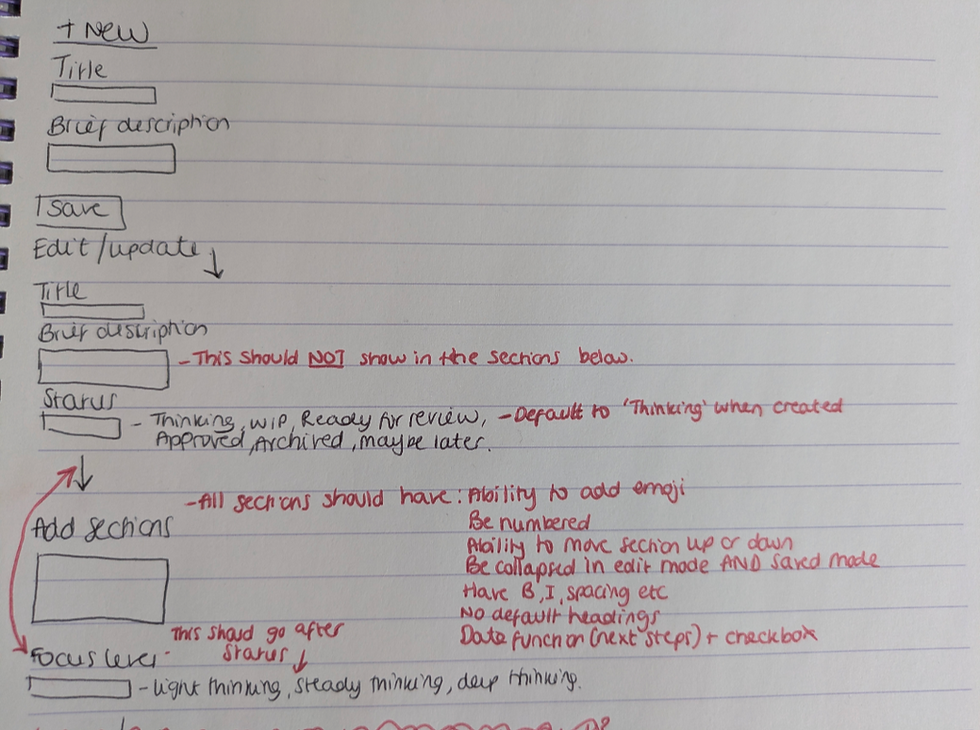
What I love is solving them. Taking something that isn't working, understanding why and seeing what it could be instead. Building it, testing it, changing it and eventually watching it do the thing I could see in my head all along. And then ... because I don't believe a good system is ever really finished, noticing the next thing it could do better.
I've sometimes found it difficult to explain that this is my expertise. I didn't study systems. I haven't spent my career with job titles like CRM Specialist or Systems Analyst. And, for a long time, that's made me wonder whether people would take this side of my experience seriously ... Because how do you put on a CV that your brain looks at a messy process and starts rearranging it before you've consciously decided to? How do you demonstrate that you can see the connections between the frustrated person, the duplicated task, the workaround and the bit of the system that isn't doing what somebody needs it to do?
I'm still figuring that bit out. But I do know this: I don't believe people should have to mould themselves around systems. Systems should mould themselves around people. They should take something off someone's plate, hold information so a person doesn't have to, make the next step clearer, remove unnecessary work, give people confidence that something won't disappear just because they stopped actively thinking about it.
A good system carries something for you.
And, maybe that's why I build them. Not because I particularly love systems. Not because I think every problem needs a new process. And apparently not even because I love organisation as much as I thought I did.
I build them because sometimes they're needed.
It's literally that simple.



Comments