Your system probably isn't the problem

Your system probably isn't the problem
One of the conversations I find myself having time and time again is with organisations who feel like their system just isn't working anymore.
"It's too clunky."
"It can't do what we need."
"We're thinking about moving to something else."
And sometimes that's true. But more often than not...
The system isn't actually the problem.
The real problem is usually time.
The people responsible for choosing, implementing and managing systems are often the same people running projects, supporting volunteers, managing teams, applying for funding and wearing half a dozen other hats.
Especially in smaller charities, there simply isn't the time to explore everything a system can do. So people learn the basics. They figure out enough to get by. Then they keep using those same features for years because there are always more urgent priorities.
This isn't a criticism.
It's the reality of working in the charity sector.
When a charity grows, its systems need to grow too.
Something I've noticed over the years is that charities often invest a huge amount of time implementing a new system. Then... everyone moves on. The organisation grows. New staff join. Processes change. Reporting requirements become more complex. But nobody has the time or responsibility to help the system evolve alongside the organisation.
Eventually people begin saying, "Our CRM can't do what we need anymore." Sometimes that's true. But sometimes the system is perfectly capable. Nobody has just had the opportunity to discover it.

My own app taught me exactly the same lesson.
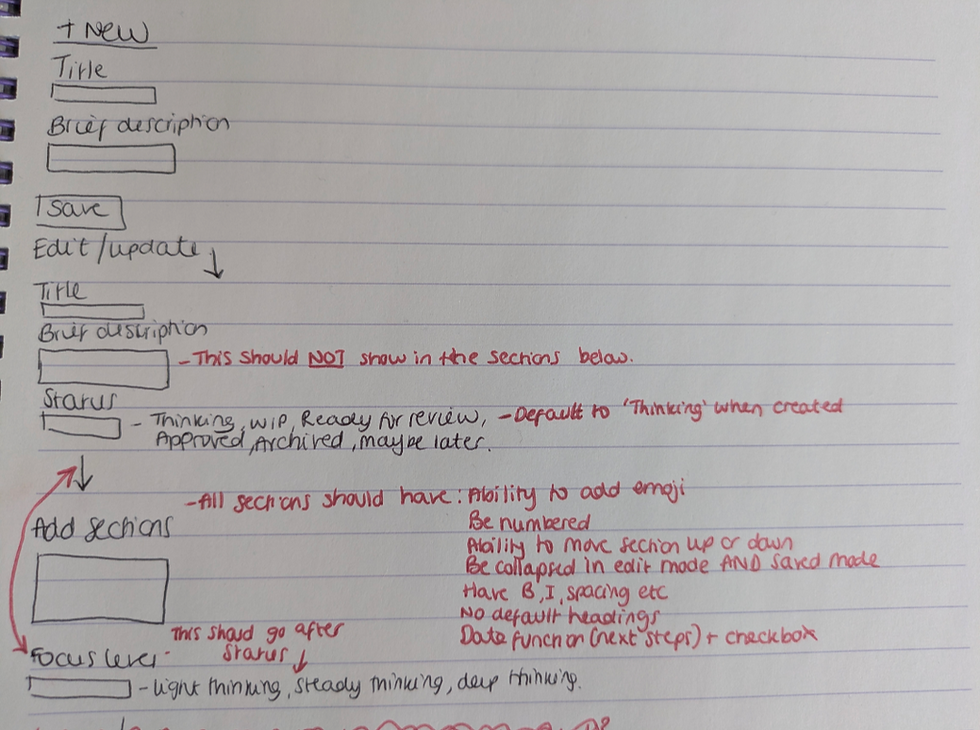
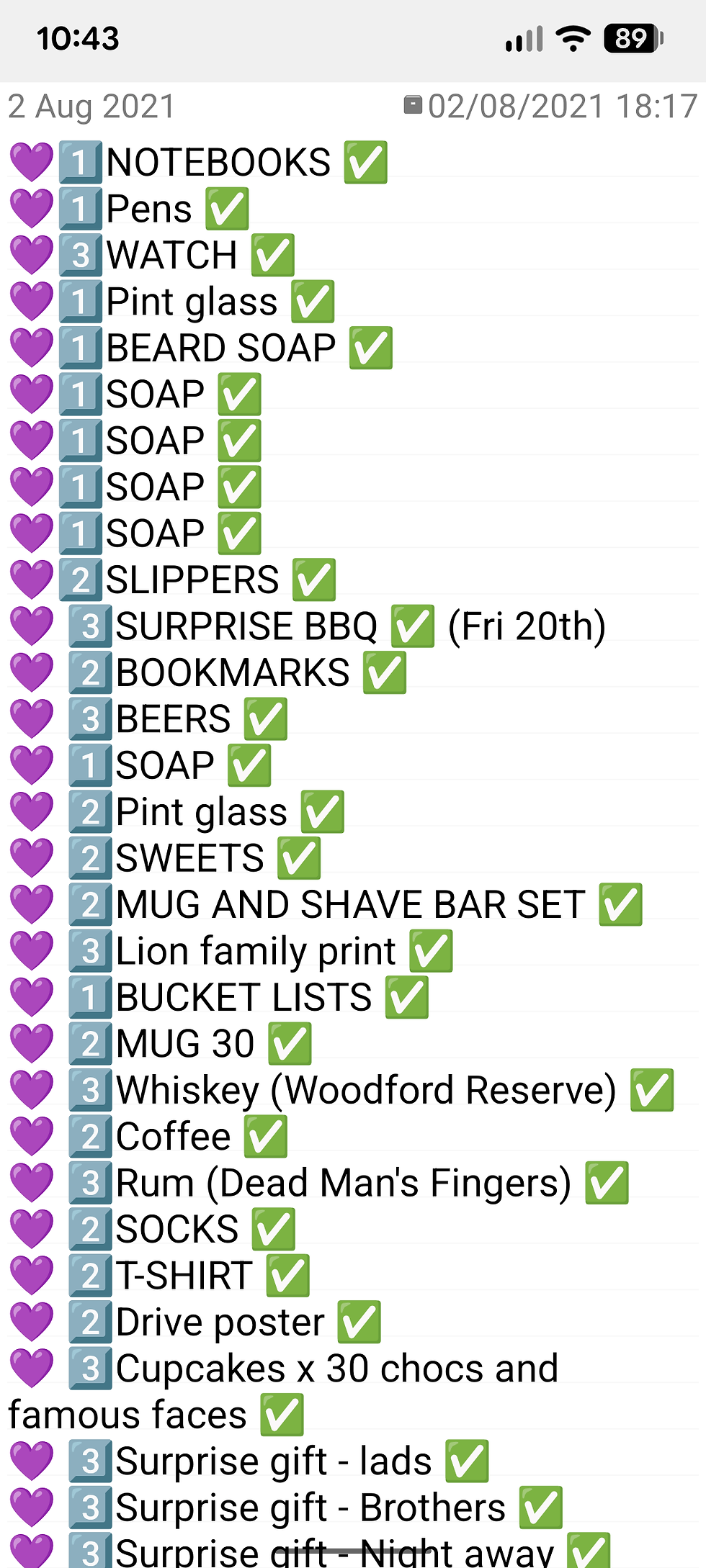
I've been building my own planning and content library over the past few weeks. When I first created it, I thought I knew exactly what I needed. A place to store ideas. Simple. Done.
Except... the more I used it, the more I realised I needed it to do.
I wanted it to organise information differently.
Show me things in new ways.
Help me think more clearly.
None of those improvements required me to throw the app away and start again.

They required me to spend time understanding what it was already capable of. That feels surprisingly similar to what I see in charities every day. The warning signs are usually there.
If everyone has their own way of using the system...
If spreadsheets are appearing alongside it...
If every team has developed different workarounds...
If new staff are simply copying the person before them because nobody really understands why things are done that way...
Those aren't always signs of a bad system. They're often signs that the system has stopped growing with the organisation.
Before you replace your system...
Pause.
Talk to the people who use it every day. Ask them what slows them down. Ask what they wish it could do. And here's one people often overlook... Ask whether anyone in your team has experience with systems. You might be surprised.
People bring all sorts of skills with them that never appear in their job title. One conversation could save weeks of frustration. The best person to improve your system probably already works for you.
One of the biggest lessons I've learned is that many of the frustrations organisations experience with their systems don't require a complete replacement.
They require understanding. A little curiosity. A bit of time.
And a willingness to ask, "What can our current system already do that we're not making the most of?"

One final thought...
If your system isn't working the way you'd hoped, it doesn't mean you've failed. It certainly doesn't mean your team has failed. Their insights are probably the most valuable resource you have when it comes to improving the way your organisation works.
So before you invest thousands in something new, invest a little time in understanding what you already have.
You might save your charity money.
You'll almost certainly save your team time.
And you may discover that your system was never the problem in the first place.

Comments